Monday, November 18, 2013

World Toilet Day – Accessible Changing Rooms Campaign THE BIG SQUAT

 World Toilet Day and The Big Squat Event



logo big

World Toilet Day


World Toilet Day takes place on November 19th and focuses mainly on the sanitation needs in developing countries. It highlights how important toilets can be and how they can truly make all the difference in the battle against disease and widespread infection. However, we’re looking at a campaign closer to home and one which has a huge impact on the lives of people living with disabilities in the UK. The Changing Places campaign is staging an event as part of a worldwide awareness raising efforts called ‘The Big Squat’.  


Changing Places


Changing Places is a campaign which is pushing for the installation of accessible changing rooms in a range of public places across the UK. There are many reason why properly accessible changing rooms are essential and many people living with different disabilities need more support and space to be able to toilet in public places comfortably.


Currently standard disabled toilets do not meet the needs of all people living with disabilities and their carers or support staff. People living with profound and multiple disabilities including learning disabilities, spinal damage and acquired brain injury often find themselves needing additional facilities to be able to comfortably utilise public toilets.


Changing Places toilets are different and provide initial facilities and apparatus to allow for easier usage.


Changing Places Toilets


Changing Places toilets provide the right equipment, enough space and a safe and clean changing environment. The equipment provides will either be a height adjustable adult-sized changing bench and a fully functional tracking hoist system or mobile hoist where this isn’t possible.


The changing areas will also have enough space for the disabled person as well as up to two carers and the toilet will be centrally placed to allow for support from carers on either side. Curtains or screens are also fitted so the disabled person and carer can have some privacy during the change.


The safety and cleanliness is provided by tear off paper roll to cover the bench before use and a large waste bin to allow for the disposal of pads. The floors are all non-slip to avoid any other accidents or risks.


Where do we want them?


The Changing Places campaign want to see their unique and potentially life changing toilets installed in all large public places. Their list of places includes:


• city centres

• shopping centres

• arts venues

• hospitals

• motorway service stations

• leisure complexes

• large railway stations

• airports


They also highlight that these new changing facilities should be installed in addition to pre-existing accessible toilets and not as a replacement. We definitely agree and think accessibility to comfortable toilets should be a basic right for all. Below is a case study looking at one mother and daughter who definitely see the need for accessible Changing Places toilets in every possible location.


Bethan and Lowri – A Case Study


Bethan is the mother of two daughters, Elin and Lowri, and the youngest, Lowri, lives with Retts Syndrome. Retts Syndrome means Lowri needs support with all her daily activities as she has no independent mobility. She uses continence pads for comfort and Bethan, Elin and Lowri were all pleased to have the chance to enjoy a happy family day out thanks to a Changing Places toilet.


The mum and daughters were able to enjoy a day out in Nottingham City Centre including shopping, lunch and a show at the local theatre. Nottingham City Council had the initiative to install a Changing Places toilet which allows for Bethan to help her daughter with her toileting needs without stress or difficulty, utilising the specialist hoist and changing equipment.


Bethan highlighted that without the Changing Places toilet there days out were very different as they had to plan their days out around specific times, ensuring to be home for mealtimes as Lowri would need to go to the toilet and they simply wouldn’t be able to change her comfortably in regular disabled toilets, as it would involve lying her on the floor. My own son Joe, has Dravet Syndrome and cannot be changed in most toilets. We had our vehicle specially adapted with a bench, curtains and a small hoist because of this issue.


Changing Places have taken Bethan and Lowri’s story as a great positive and use them regularly in their campaigns to show the importance of their toilets for whole families as well as individuals. This video tells a little more about their story:


(Full Transcript Below)


Take Part In the BIG SQUAT for World Toilet Day


bigsquatalogo forsite

The Big Squat event will be at 12 noon on 19 November


As part of World Toilet Day activities on the 19th November, the World Toilet Organisation (WTO) has launched The Big Squat- a movement for the toilet-less


To help raise awareness of the 2.5 million people worldwide who do not have access to sanitation, the WTO is asking people to squat for one minute in a highly visible location at 12 noon. Download the WTO toolkit for organising your Big Squat and don’t forget to share your photos via the Big Squat flickr group or by emailing them to WTO


The squatting exercise is highly symbolic of the problems faced by many people in the developing world, where a lack of toilets forces people to squat in fields, in the bush, along train tracks, or in other open places. Open defecation is a major problems: it spreads disease, resulting in over 1.8 million deaths from diarrhoeal disease every year. It also affects women’s wellbeing and safety: in many developing countries, women are forced to relieve themselves either before sunrise or after sunset, causing them immense discomfort and inconvenience as well as putting them at risk of rape and other attacks.


In the UK the Changing Places campaign will be using the Big Squat to help highlight the need for Changing Places toilets in public spaces in order to meet the needs of the 230,000 people who need additional support and appropriate facilities in order to use the toilet.


Some of their campaigners in London will be heading to the Queen Elizabeth II Olympic Park in Stratford to do a very public mass squat.  We also think this is a great opportunity to celebrate the availability of Changing Places facilities at the park and the accessibility legacy left behind by the London 2012 Olympic and Paralymplic games.


World Toilet Day Aids



Urwill

The Uriwell Family


At Living with Disability we regularly discuss the importance of dignity and independence in personal care and toileting. We have highlighted some of the many useful gadgets and aids on the market which can help in those awkward moments and reduce anxiety and fear for people who may find toileting problematic.


One of our favourite products comes from Uriwell as they cater for every member of the family and can be a great aid to keep to hand if you often find yourself in situations where your bladder gives you little warning. It’s also very valuable for helping young children who are learning to use the toilet.


On the theme of toilet training for younger children we also rate the Game of Pee which adds a bit of fun to the process. The game includes a Happy Pee and the game comes with different faces for the Uriwell as well as an educational booklet that can be coloured in. A wall chart allows you to mark your child’s progress and help them feel a sense of achievement as they move up the steps. The range has even expanded to include the Happy Poo and so toilet training really can be simpler than you thought.


World Toilet Day and the UK Changing Places campaign needs your support and we’re hoping after reading this you might take part in the Big Squat! (#BigSquat or contact  @CP_consortium on Twitter)


 Video Transcript


00:06 Speaker 1: My name is Bethan, and this is Lowri who is my 10-year-old daughter. Lowri is profoundly disabled. She has a condition called Rett syndrome. And she is completely dependent on us for all her activities of daily living. Lowri wears incontinence pads or nappies and so obviously, we have to change her during the day and in an ordinary disabled toilet that involves putting her on the floor because she is getting a big girl, and it’s no joke to manhandle that. You’ve got to keep her hands off the dirty floor ’cause the next place they’ll go is to her mouth. So, that’s why we need Changing Places toilets. We’ve got to get her onto this height adjustable table, so that’s either lift but ideally you want some kind of an equipment to help you with that because really you do far too much lifting. So, a ceiling track hoist is really ideal. It’s changed our life in the sense that coming to Nottingham for a day out, we can come here, we know it’s here, we can plan our whole day.


01:06 S1: When there’s a Changing Places toilet, it just increases the length of time that you can spend somewhere, and it means you are not time limited, you haven’t got that worry about how long am I going to be out? Where do I go next? If you know that there is a decent facility, then you can build that into your day, and it just takes the pressure off you. The Changing Places campaign is really important for people with profound and multiple learning disabilities and their family. I see it as being the next step. We’ve got standard accessible disabled toilets everywhere these days, everybody expects them. We’ve got baby changing everywhere and it’s expected. I think that having Changing Places toilets is the next step.


World Toilet Day – Accessible Changing Rooms Campaign THE BIG SQUAT

Monday, October 28, 2013

Liverpool Mi Smarthouse

Liverpool Mi Smarthouse


mi smarthouse 300x189

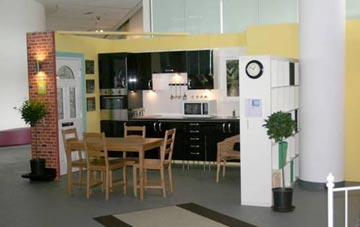
Mi Smarthouse Kitchen Area


At the Museum of Liverpool there’s a small, unassuming exhibition which looks like the recreation of a normal house. When you get inside you realise it has been setup with every possible gadget and gizmo to support independence. The Mi Smarthouse is a project put together by More Independent (Mi).


More Independent is a Government-funded initiative that is being piloted across four UK regions. As there website says the scheme exists to:


  • enable you to take charge of your health, wellbeing and lifestyle

  • use technology to allow you to feel safer and live more independently in your own home

  • give peace of mind to yourself and your family

  • reduce the amount of time you have to spend on appointments, by supporting you to manage better at home


The Mi Smarthouse at the museum is kitted out with a wide range of equipment covering all the key areas of the home. Here we’re taking a look at some of the gadgets they’ve highlighted and used in their perfect, accessible home.


General


These gadgets could be useful at any place in your home and can make it feel more safe and secure.


iVi

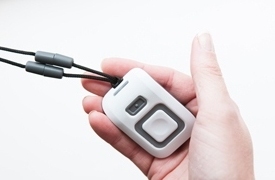
Fall Detector


Fall Detector


A fall detector can be worn around your neck and it connected to a system which will alert your carer if you do fall even if they’re not on the premises.


Large Buttons Picture Telephone


Phone keypads can be hard to use and it can also be difficult to remember phone numbers. This phone has spaces for photographs of those people you call regularly as well as large, clear numbers for when you need to dial out.


Home Safety Alert


The Mi Smarthouse has a bonus caller panic button installed by the front door, giving the residents the chance to press the button if anyone arrives at the door who they’re not comfortable with. Similar home safety alarm system can be found elsewhere too.


Supra KeySafe


41J2dtxBznL. SY450 239x300

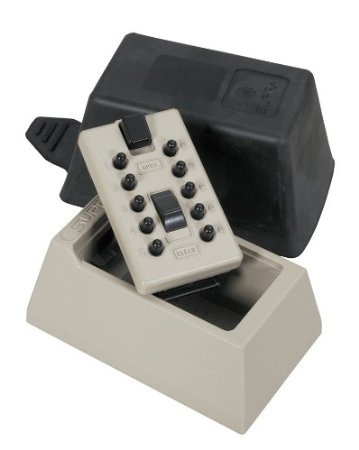
Supra KeySafe


The Supra KeySafe  is the UK’s first police approved key safe and is the perfect place to store your emergency keys. You choose a combination number and you can share this number only with somebody you trust implicitly.


Carbon Monoxide Sensor


Carbon monoxide can kill. It’s odourless and can’t be seen so the only way to sense it before it is too late is with a dedicated carbon monoxide sensor . Sensors can be easily installed and can save your life.


Fingerprint Lock


A fingerprint lock is a great option if you struggle with keys. You can add the details of your carer and friends as authorised ‘pad-pressers’ so they can get in and out with ease when necessary too.


Kitchen


We’ve talked regularly about the importance of gadgets to make access to the kitchen easier. It’s potentially a dangerous environment so anything to make it less so is a good invention in our book. In the Mi Smarthouse they demonstrated a range of kitchen-specific gadgets.


Talking Microwave


The controls on a microwave oven can be difficult if you have difficulties with your vision or dexterity. A Talking Microwave Oven  can help guide you to the buttons you need and it will also tell you when the door is open or closed and let you know whether the food needs stirring or left to stand.


Induction Hob


An induction hob only cooks the pot upon it. There is next to no danger of being burned by it and they’re becoming a common installation in supported living environments to aid independence. This type of hob is also energy efficient and reaches top temperatures in record time. In the Mi House the hob was fitted but they can also be bought as separate electric units  .


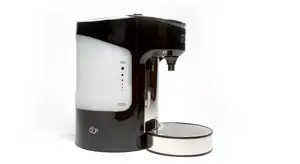
One cup Kettle


one cup kettle We’ve talked before about how useful the one cup kettle can be. Never worry about spilling boiling water as the kettle will dispense the exact amount you need with the simple pressing of a button.


Entertainment and Living Area


Many of these items listed below could be used all around the house but are most useful when you’re relaxing in front of the TV or lounging on the sofa.


Big Switch and Remote


big switch and remote socket

Big Switch Remote


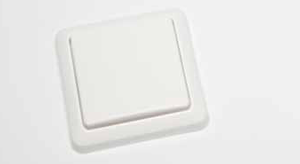
A Remote Control Big Switch can be positioned wherever you need it to avoid bending to switch off items which have plug sockets uncomfortably out of reach. The big switch can be used with any electrical appliance in the home.


Voice Recorder Switches


If speech has always been or is becoming difficult then these small voice recorder switches can be used to record key phrases. They can have messages such as ‘I’m hungry’ or ‘I want to go home’ ready recorded for when you’re home or out and about when speech has become difficult.


Chair Occupancy Alert


This item is extremely useful if you have an outside care team supporting you as it allows them to monitor the time spent out of your chair. If it seems exceptionally long they may phone you or come around the check everything is OK.


Big Jack Controller


big button controller

Big Jack Multi-Controller


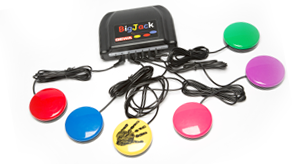
The Big Jack can replace all your smaller, fiddly remotes and switches. It can be programmes for a whole range of jobs and can be used to change channels on the TV, switch off lights and even use the telephone.


Personal Care


The personal care element of the home is the most private. Both the bedroom and bathroom are places where you want to maintain as much independence as possible and some of these gadgets are designed to guarantee this as well as ensure you can get the help you need, when you need it.


Epilepsy Sensor


epilepsy sensor

Epilepsy Sensor


Living with any form of epilepsy or convulsions can be extremely frightening – especially if you’re alone when one occurs. This epilepsy sensor will alert an outdoor care team if a seizure is taking place, allowing them to provide the right support ASAP.


Enuresis Sensor


enuresis sensor kit

Enuresis Sensor


Designed to fit comfortable under the top sheet, an enuresis sensor will alert your carer to the fight signs of dampness whilst in bed – ensuring you’re not left uncomfortable for a long period of time. We have looked at these aids previously for helping children but they can be equally useful later in life.


Flood Detector


A flood detector will guarantee you never forget about another bath. It’s very easy to forget the bath is running but with the installation of a simple detector, it will be safe and you can avoid the risks of damage to your home and the even higher risk of slipping.

The Mi Smarthouse in Liverpool is one of the first examples of how all this technology can come together and successfully be used to help people remain in their own homes independently. You can take a virtual tour of the Smarthouse here. We recently visited the £D printing exhibition at the London Science Museum and will cover the potential benefits in a future post.


Liverpool Mi Smarthouse

Friday, October 4, 2013

Helpful Aids for Hearing Loss

This blog is in two parts – the first part is a guest post by trained audiologist Melanie Lewis, the second part is some suggestions of our own:


Who does hearing loss affect?


Hearing impairment affects over 9 million individuals in the UK (source: RNID 2005 survey). The two most common reasons contributing to diminished hearing are age related (though slightly misleading as affects start in a person’s 40’s) and noise induced. In both cases, the level of hearing will not improve naturally and individuals depend on a growing number of sophisticated devices designed to overcome the hearing impairment using modern technology.


What Goes Wrong Leading To Hearing Loss:


There are a number of organs and processes that must work to their potential in order for us to hear, see or smell. In the case of hearing, sound needs to be captured, then funneled to the brain where it is made into ‘tangible’ information that we can comprehend. Our inner ear includes tiny hair cells that are only visible under a microscope. These cells capture waves in the air (which we call ‘sound’) that are funneled via the hearing nerve to the brain. As the body matures, the quality and quantity of the hair cells is reduced leading to a challenging inability to hear certain sound frequencies. The hair cells can also become damaged (often more easily than people might believe) through exposure to harmful noise leading to noise induced hearing loss. The body is unable to repair or regrow the tiny hair cells so any management of hearing disability must depend on technological advances in science.


Digital Hearing Aids:


HD450 Zoom1

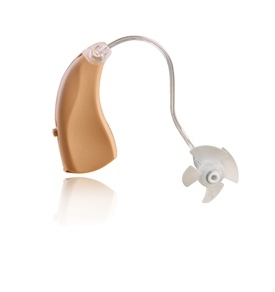
Today’s digital hearing aids are lighter, small and slimmer than ever before.


These digital amplification aids are available at no cost from the NHS and from private service providers offering digital hearing aids. Leading brands include Oticon, Phonak, Resound, Siemens, Starkey and Widex. The device is housed in a small lightweight plastic structure and sits inside or outside the wearer’s ear. It works by capturing waves in the air using a sensitive microphone that are then amplified using a powerful microchip. The amplified sound is transmitted directly into the ear using the receiver.


Differentiating factors between the various brands of digital hearing aids include size (with ‘discreet’ sizes normally commanding higher prices), wireless connection, Bluetooth connectivity and complexity of sound processing algorithms. While NHS hearing aids are free, model choice is limited and a waiting list may apply.


Amplified Phones:


Amplicom BigTel 280 Cordless Telephone 28112 zoom 220x300

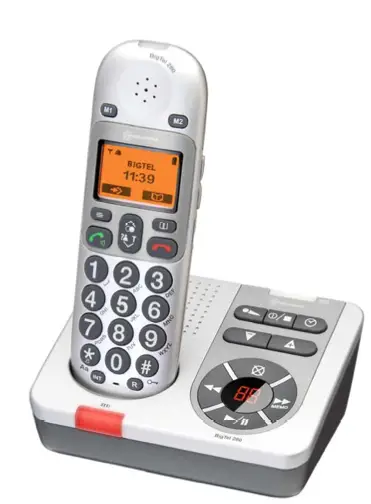
Amplified cordless phones offer high quality, loud, distortion-free sound. They also offer a hands-free mode.


These are desk, cordless and mobile phones that have been specifically tailored for the hard of hearing. Leading brands include Doro, Geemarc and Amplicomms. The devices differ from normal phones in that they can amplify the ringer level often 10 times louder than that of a normal phone and amplify the voice of the caller to a suitable level. Differentiating factors between the various phones include caller voice amplification level, ringer volume in dB (can reach 60dB vs. 4 to 6dB on normal phones), telecoil compatibly to digital hearing aids, visual indicators and type of buttons (backlit, big button etc). Amplified phones are not usually available from the NHS, but can be bought at a reasonable price.


Alerting Devices:


An amplified doorbell can help you hear when someone is at the door. Click the image for more information.


These aids are designed to attract the user’s attention to something that may have become inaudible and include amplified alarm clocks and amplified doorbells. They differ from normal alerting aids in their level of amplification that can reach 95dB and most importantly in the suite of other sensory triggers they offer. Devices will include visual indicators and often vibration pads that can be placed for example below the user’s pillow. Certainly in the case of most amplified doorbells, they are wireless so can be carried from room to room when the user moves around the home. Leading brands include Sonic Alert, Geemarc and Amplicomms and again, these are not usually available from the NHS.


In the case of profound hearing impairment and when ALDs (assistive listening devices featured above) are less effective, individuals will often supplement the management of their hearing loss with lip reading and British Sign Language.


If you or someone you know is concerned about their hearing ability, a visit to a local hearing centre is recommended. We hope you found this information of help.


Melanie Lewis is a trained hearing aid audiologist. She works for hearing direct, the UK’s biggest supplier deaf accessories from hearing aid batteries to personal amplification aids.


Other Hearing Aid Technology and Gadgetry


We’ve had a look around the market to find some other handy and innovative gadgets that may help if you suffer from hearing loss.


Our first interesting find was brought to our attention by a fellow Twitter user:


Apparently all digital wireless phones must now be hearing-aid compatible (HAC) and the iPhone 4 and iPhone 5 feature built-in HAC making them easy to connect hearing aids to. The iPhone 5 has a HAC rating of M3, T4. The numbers next to each letter represent the compatibility ratings on a scale of 1 to 4.


The M rating is based on reduced radio-frequency interference that enables acoustic coupling with hearing aids that do not operate in telecoil mode.


The T rating is for inductive coupling with hearing aids operating in telecoil mode.


Vibrating Reminder Watches


31bTIKsMY7L 300x225

Pivotell Vibrate Mini Reminder Watch in Purple Floral


There are quite a few vibrating reminder watches available on the market, in almost every colour and style you can think of. These watches are ideal for keeping track of daily tasks such as medication intervals, gym work outs or even for use when home cooking. This Pivotell Reminder Watch emits a discreet vibration that will alert the user but will not disturb those around them. You set set up to 12 different alarms and the vibration lasts for 5 seconds each time.


Vibrating and Light-Up Alarm Clocks


This funky looking alarm clock would be great for teenagers or young people. The stylish black finish and bright LED


81ugDjIXU0L. SL1500 300x181

The Wake ‘n’ Shake alarm includes a vibration pad and can also be connect to your phone line.


screen would look great in a kid’s bedroom or in a student den! What makes the Wake ‘n’ Shake extraordinary is the vibrating pad that is attached to the clock.


By placing the pad under your pillow or next to you, the pad will vibrate when it’s time to get up – or for any other reason you decide to set the alarm. Not only this, but the Wake ‘n’ Shake can be connected directly to your home phone line, meaning you can be notified when somebody is ringing you.


Other useful features of the Wake ‘n’ Shake include a large, easy to read LED display, and the ability to also set the clock to alert you with a strobe light or an extra-loud 95dB alarm sound.


61l5w2EzJAL. SL1184 300x249

This handy-sized vibrating alarm can be taken with you for travel or used at home.


Alternatively, if you’re looking for something a little more subtle than the Wake ‘n’ Shake, we’ve also found the  Lifemax 331 Under Pillow Vibration Alarm Clock. This handy devise is ideal for travel or at home, and simply slips under your pillow. The vibration is strong enough to wake you, but also perfect if you need to wake without waking anybody else in the house. The compact, lightweight design means you can take it anywhere with you, and as it runs on batteries there’s no need to find a power source.


417ktsi7THL 178x300

These trendy headphones can provide sound up to 120dB.


Wireless Amplified Headphones


For those who love their music or want to amplify their TV or radio, these futuristic-looking headphones are the ideal solution. The Amplicomms TV150 Amplified Headset can wirelessly transmit stereo sound from almost any device you have around the home. Whether it be TV, DVD or MP3, this ergonomically designed headset fits snuggly in the ears and can transmit sound up to a massive 120dB. The powerful transmitter allows a range of up to 10 meters allowing you to freely move around the home, and they also include a built-in automatic volume control, which stops increases in noise such as TV adverts, from being too loud.


You may also enjoy a post on our other blog “Communication aids for deaf people”


If you have a favourite gadget or even something a little unusual that helps you, please let us know in the comments below.


Helpful Aids for Hearing Loss

Wednesday, October 2, 2013

Promove Slings - Peace of Mind while Travelling

Promove Slings – Peace of Mind while Wheelchair Travelling


promovelogo

To jump to prices – click here


Promove Slings don’t need a hoist! They have handles so that you can be lifted by a couple of willing people. The perfect solution for wheelchair users in many different environments to ensure a safe and easy transfer, especially when travelling. The product is the brainchild of Dr Huw Thomas, a wheelchair user who got tired of being manhandled when travelling by aeroplane and he developed the Promove Sling as the answer. Huw has since won the Sir Stelios Disabled Entrepreneur of the Year Award in 2011 which has helped Huw reach more people with his liberating invention.


dr huw

Dr Huw pictured winning the Disabled Entrepreneur of the year award with Stelios and joint winner Rob from ActiveHands.


Why use a hoist and sling?


As any wheelchair user knows, an awkward lift by untrained people can cause pulled muscles and aches and pains for weeks. In the worst cases, a fall from your chair and even broken bones. Transferring with a sling is much safer and comfortable for everybody. The difficulty comes when the hoist is broken, has run out of charge or you are somewhere where they simply don’t have one. Most people have experienced hospital appointments, holidays or travel abroad where they have wished that a hoist was available. Portable hoists are becoming smaller, but they are still bulky and heavy. The Promove sling is a portable and affordable option.


Carry a Manual Sling with you


Promove Slings provide a back up plan and an option when you are away from home. They can be carried at all times to ensure, even if an emergency occurs, a safe and easy transfer.  These specially designed manual slings have been on the market for five years but have recently been made available through Amazon making them even more accessible to more wheelchair users across the UK and Europe. Designed to ensure dignity is maintained, the more people who can access Promove Slings the better.


Promove Sling Video


Tuesday, September 24, 2013

Ataxia Awareness Day - Living with Ataxia

 Ataxia Awareness Day


9604781423 78ce44f130

Ataxia South Wales Wristbands


September 25th 2013  is Ataxia Awareness Day. Ataxia is a rare condition that many people haven’t even heard of and our main connection with the condition is due to one of our most loyal Trabasaxons Alan Thomas living with cerebellar ataxia. We’re always pleased to see Alan on his worldwide adventures and always getting great use out of his Trabasack.


What is Ataxia?


Ataxia is a coverall name given to a group of different neurological disorders which have a profound effect upon balance, coordination and speech. There are many different types of ataxia that effect people in different ways.


Some of the many types of ataxia include:


  • Friedreich’s Ataxia – thought to be the most common type of hereditary ataxia and usually first noticed between the ages of 8 and 15.

  • Ataxia-telangiectasia – AT is a much rarer form of hereditary ataxia which effects 1 in 100,000.

  • Spinocerebellar Ataxias – SCAs are a group of hereditary ataxias which again affect about 1 in 100,000 people. SCA symptoms don’t usually make themselves known until adulthood.

  • Episodic Ataxia – as the name suggests episodic ataxia is another hereditary form of the condition which comes in phases but much of the time the person has no symptoms. Symptoms usually begin in the teenage years and can be a reflexive response to stress, exercise or alcohol amongst other triggers.

  • Idiopathic late onset cerebellar ataxia – ILOCA usually occurs after 50 years of age and degenerates over time.


Ataxia can affect anybody at any age but as the above examples show different types of the condition are more likely to be diagnosed at certain points in an individual’s life.


There are believed to be approximately 10,000 adults in the UK living with a type of ataxia and research suggests several thousand children too.


Currently there is no known cure for ataxia although some forms can be treated effectively. Research is continually being carried out and funded by Ataxia UK who are dedicated to finding a cure as this video shows:


What causes Ataxia?


Ataxia is a condition in its own right but it can also be a symptom of other conditions including multiple sclerosis and can also occur due to a head trauma or intoxication. Ataxia which isn’t caused by any of these factors is likely to be a hereditary condition caused by a faulty gene passed through the family or in some instances non-hereditary or sporadic.


Research has also shown that Friedreich’s ataxia is caused by a defect in the gene which produces the protein fraxatin. Understanding this gene helps move research forward towards ambitions of a cure.


Ataxia UK’s research projects are focused on finding out exactly what causes different ataxias and pinpointing the individual genes responsible for these conditions. At present approximately 28 genes have been discovered which cause spinocerebellar ataxia and research continues to ascertain how these genes are effective and make steps towards finding treatment and eventually the cures needed.


Trabasaxon Alan Thomas


6294650495 4d2c3c105a

Alan and the Trabasack Team


Now we’re back to Alan’s story. Alan has been a huge supporter of our business for many years and we’re really grateful for all the action shots he takes with his Trabasack and we love seeing where he takes it next.


Alan had always walked with a trademark ‘wobble’ and spoken with a small slur but this was just part of who he was. He found a career as an electrician but it was making sandwiches which showed him something wasn’t quite right. Coordination was becoming extremely difficult and after numerous visits to GPs trying to convince them something was definitely wrong, by 34 Alan had his diagnosis of cerebellar ataxia.


Rather than resting on his laurels Alan realised there was very little information about ataxia available and endeavoured to change this. He wanted to make a difference so people living with ataxia could easily access and obtain information about the condition and eventually became a Trustee of Ataxia UK and the Chairman of Ataxia South Wales.


Much of Alan’s work is online supporting other people worldwide with Ataxia and moderating Living with Ataxia an online community


6294637627 5700d1e730

Alan making great use of his Trabasack


for the conditions. He also attends as many national conferences as is feasible and is dedicated to spreading the world about ataxia.


Alan made this video about Keeping Positive with ataxia and the user comments afterwards show what a positive impact his work has. As on commenter says:


“Alan has shown me that my three year old daughter Jade has a lot to look forward to and achieve in her life to come. Jade has Ataxia and by the time I met Alan, I was full of despair for my daughter. Not anymore. Alan – you are truly an inspiration to me and many others like my daughter. You have shown me that Jade has a wonderful life in front of her and I can never thank you enough for that.”


Gadgets for Ataxia


Alan has already highlighted how useful his Trabasack has been for many purposes from carrying drinks and food to taking notes but there are other gadgets which can be hugely beneficial for people living with Ataxia including:


Greepers Laces – removing the need to struggle with the coordination needed to tie them up


UnPlugz – to make removing plugs from sockets simple and safe


HandSteady – a drinking cup with a rotatable handle, making it easier to keep steady than traditional cups


Signature Name Stamps – if you find it hard to write a consistent signature try this idea


Spread the Word – Ataxia Awareness Day


Ataxia Awareness Day is 25th September every year and it’s an opportunity to spread the word about a little known condition which many thousands of people live with. The more awareness there is for the condition the less people will feel isolated and more can be done to research and develop treatments.


All photos in this post are courtesy of Alan Thomas’ fantastic Flickr account.


Ataxia Awareness Day - Living with Ataxia

Wednesday, August 21, 2013

Stay Cool - Keep Cool Gadgets & Ideas for keeping down the Temperature

Stay Cool – gadgets and ideas for keeping down the temperature
Keeping cool and hydrated isn’t always this easy! Photo credit: http://www.balthasars.com/family/aug_03c.html
Keeping cool in warmer climes can be hard. Humans can regulate their own temperatures but when it’s really...
Stay Cool - Keep Cool Gadgets & Ideas for keeping down the Temperature

Saturday, August 17, 2013

Greeper Laces featured in Your Autism Magazine

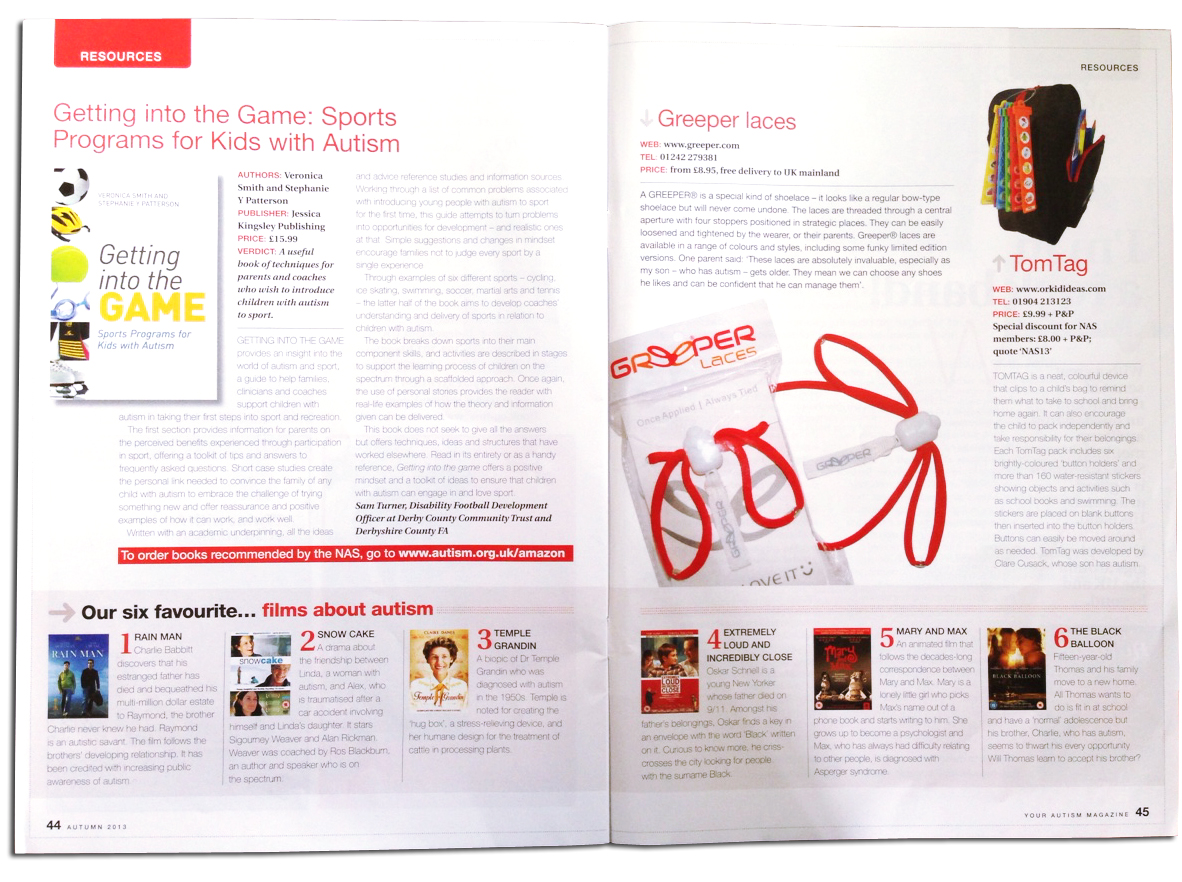
Greepers featured in Your Autism Magazine


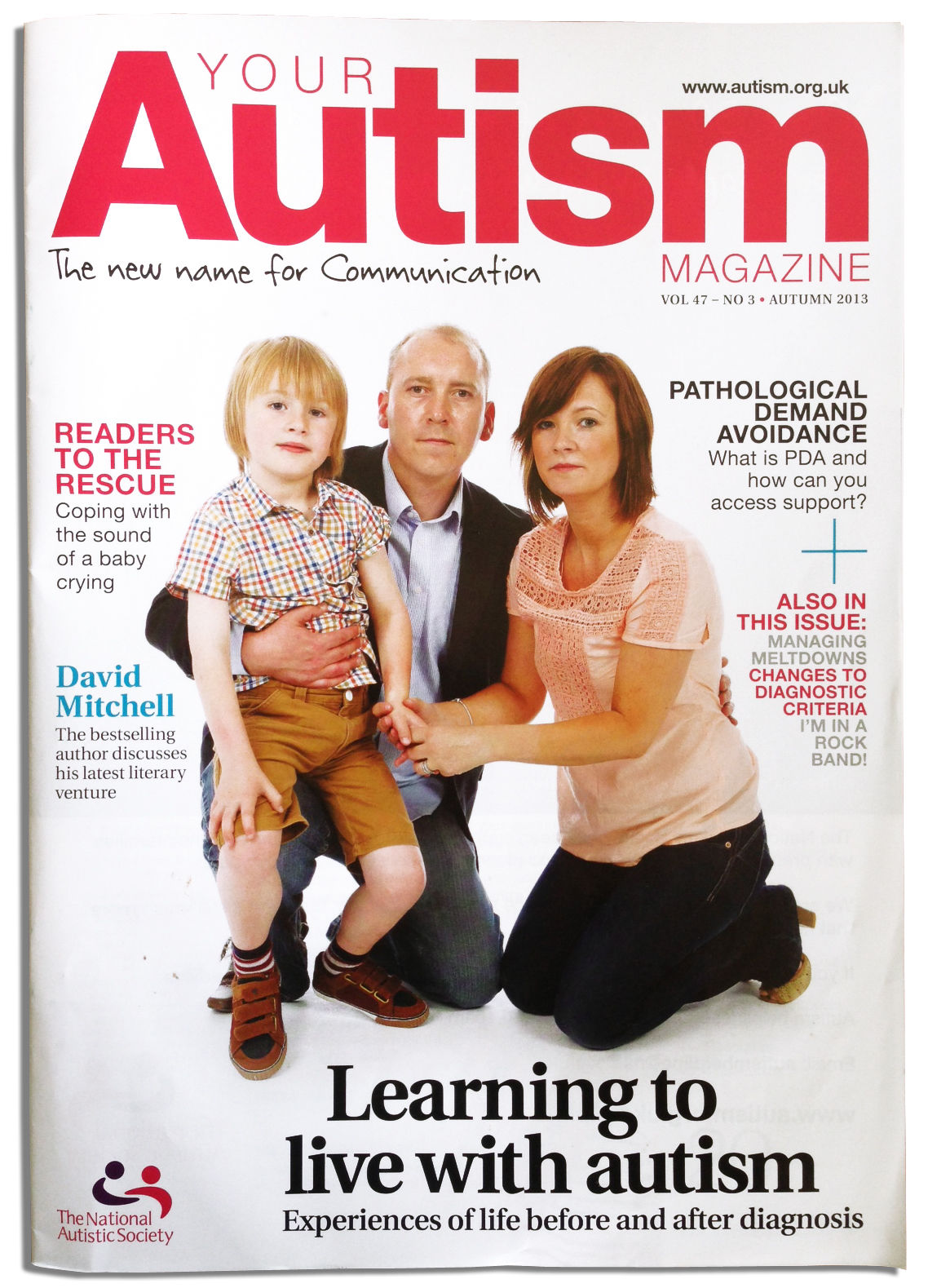
An endorsement of Greepers shoelaces has appeared in Your Autism Magazine. A brand new review of a top product for children with autism.


austism magazine 02 216x300

Your Autism Magazine


At Living with Disability we have some products we consider our absolute favourites. One of these is Greepers shoelaces. This innovative product range should be celebrated and that’s why we’re glad to see them featured in Your Autism Magazine. We believe in this product and we’re glad to see others do.


Greeper Shoelaces for Autism


austism magazine 03 216x300

Greepers Laces Review


Your Autism Magazine is the quarterly publication of The National Autistic Society for their members. Their latest issue includes a fantastic, helpful review of Greepers. We firmly agree they are a great investment for children and even adults living with an Autistic Spectrum Disorder.


Your Autimsn Magazine’s review shows off the funky red Greepers Laces but the range is much wider than that. All colours from black to purple to neon green are available. Wearers can match their laces to their personality or simply choose those that complement their outfit best.


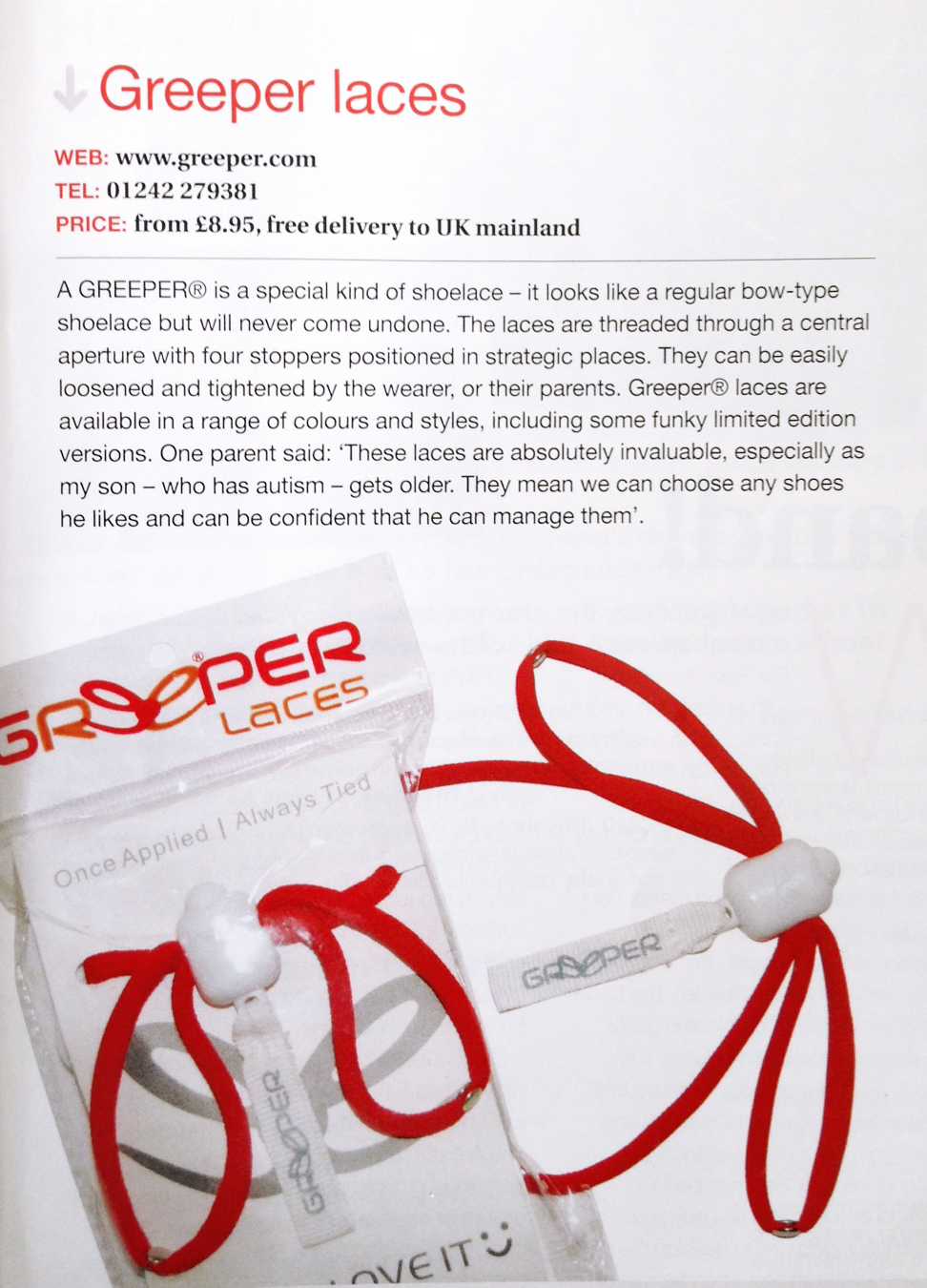
The review in the magazine highlights how beneficial Greepers can be for children with autism. It explains that, “one parent said, “these laces are absolutely invaluable, especially as my son – who has autism – gets older. They mean we can choose any shoes he likes and can be confident that he can manage them.”


The review also says “Greeper is a special type of shoelace, it looks like a regular bow-type shoelace, but will never come undone. The laces are threaded through a central aperture with four stoppers positioned in strategic places. They can easily be loosened or tightened by the wearer or their parents”.


With glowing reviews it’s clear that Greepers are on the up. Hopefully this feature in Your Autism Magazine will further their uptake and widen their appeal.


Benefits of Greepers for Children


austism magazine 01 300x223

Greepers Laces Full Page


Greepers Laces can be great for children who have difficulty getting to grips with regular laces. They appear identical so there’s no stigma and they give children with disabilities much-needed independence when choosing footwear.


Greepers are universal as the parent above said, they can be used with any shoes of your choosing. They’re also a great solution for children who have that annoying habit of repeatedly untying their shoes. With Greepers it simply isn’t possible.


Your morning routine rush will be halved as the stress of shoelaces is removed. They are a better option than Velcro or elastic-laced shoes as the level of support is much better. We’ve looked previously at the differences between Greepers and Elastic Laces and it is pretty clear which comes out on top.


We’re always pleased when one of our favourite brands receives media coverage. Therefore we are really happy for Greepers and their appearance in Your Autism Magazine.


The wide appeal of Greeper Laces


As we have said before, the great thing about Greepers is that they are also used by top sports people, so children can emulate their heros too! This month also saw Greepers worn by Lucy Gossage winning Ironman UK in a pair of purple ones! This is such a fab pic we had to share it here!


tumblr mr9ht5gpfd1re5svlo1 500

Lucy Gossage winning Ironman UK wearing a pair of purple greeper laces!


Greeper Laces featured in Your Autism Magazine